Friday, March 16, 2012

knotty pine planks do not a garden make


“Two old planks of knotty pine
And a couple of nails poke right on through”

After assembling the framework for a new raised bed this week, I could not get that David Byrne and Dirty Projectors song out of my head. Not an altogether bad thing. I nailed together four discarded 2x6’s, which were of three different lengths. It won’t be the prettiest garden bed, but should be just fine for growing veggies (once I get it filled with dirt). 

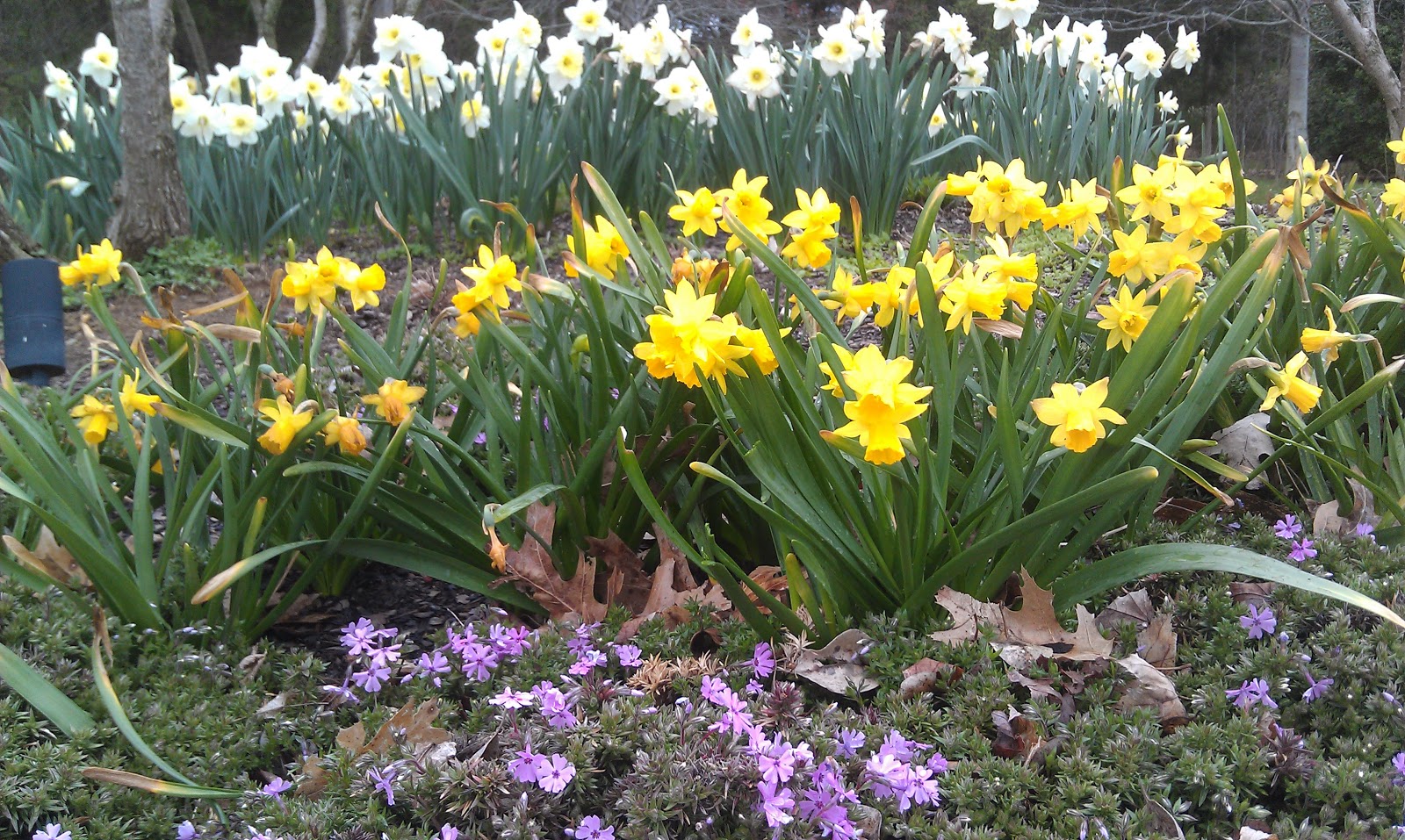
It’s been unseasonably warm (eighty-degree days) and continues to storm several times a week here. The Cherry trees, Redbud, Carolina Jessamine, Hyacinths, and Phlox have added their blooms to the chorus of spring flowers. And my allergies are going nuts. Because the pollen count is usually highest in the morning, I try to work outside in the afternoons.

Ginger, Peony, and Baptisia are all bursting out of the ground, with quite unusual looking foliage. Now is a good time to place some sort of support on top of your peonies in anticipation of large, heavy blooms in the future. Sow seeds of cool-season veggies like lettuce, snap peas, carrots, beets, and spinach.

Evergreens such as yews and boxwoods can be pruned now. But please do not use an electric hedge trimmer on your boxwoods; that landscape sin is akin to Crape murder in my book. Best results (aesthetic and horticultural) are achieved by selective pruning instead of shearing. Select the longest branches and trim them out with pruners, opening up small holes on the periphery of the foliage to let in light and air.

Saunders Brothers is a fantastic source of information about all things boxwood.


Tuesday, March 6, 2012

plum crazy


Plums are a great addition to the edible landscape, and help to promote wildlife. (The bees were going crazy over this Chickasaw plum's blooms.) Three species that do well in our area with little input are American plum (Prunus americana), Wild Goose Plum (Prunus munsoniana), and Chickasaw Plum (Prunus angustifloia).

These native fruit trees can be large shrubs or small trees, hybridize amongst themselves, and tend to form colonies when left to their own devices. White spring blooms give way to red, orange, and yellow fruit in late summer. Plant a few plums for optimal pollination.

Eaten fresh, baked, or processed into jams or wine, the possibilities are mouth-watering and easy to attain. These plums will do well in partial shade to full sun, bearing fruit in just a few years. Keep in mind, native plums are smaller than the European varieties you may be used to at the grocery store.

Tuesday, February 28, 2012

tree tags


Now through the middle of March is a great time to plant trees and shrubs! We’ve been planting lots of trees at work and I recently ordered these aluminum tree tags for long-term, no-fuss labeling. From A.M.Leonard, these heavy aluminum labels are wrapped around stiff cardboard backing for easy pencil marking. They arrive pre-wired for simple branch hanging.


Labeling these tags is a great activity for a rainy day. We’ve had such a mild and wet late winter that it’s feeling more and more like spring. Today it is 70 degrees and rainy; there are Daffodils blooming everywhere along with deciduous Magnolias, Cherry trees, and Bradford Pear trees.